Meiji Jingu Shrine: A Guide to Tokyo’s Hidden Forest
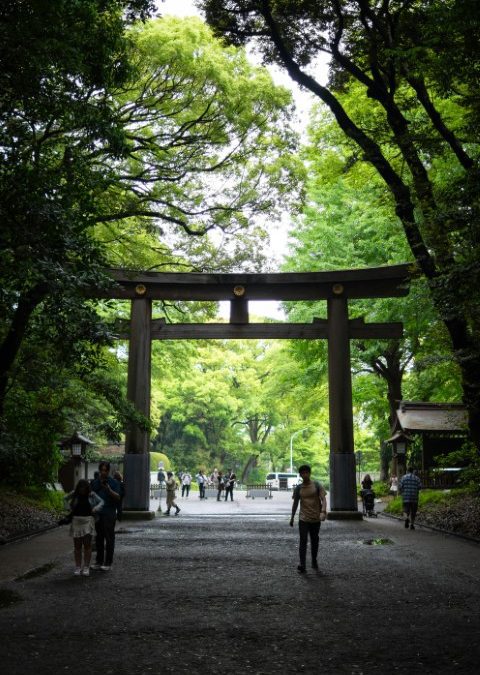
Every time I plan a trip to Tokyo, my itinerary is always packed with the flashing neon lights of Shinjuku. I usually get lost in the crazy crowds of Shibuya and the endless shopping streets, too. However, on my recent trip, I wanted to find a quiet escape right in the middle of the city. Therefore, I decided to spend a morning at Meiji Jingu Shrine
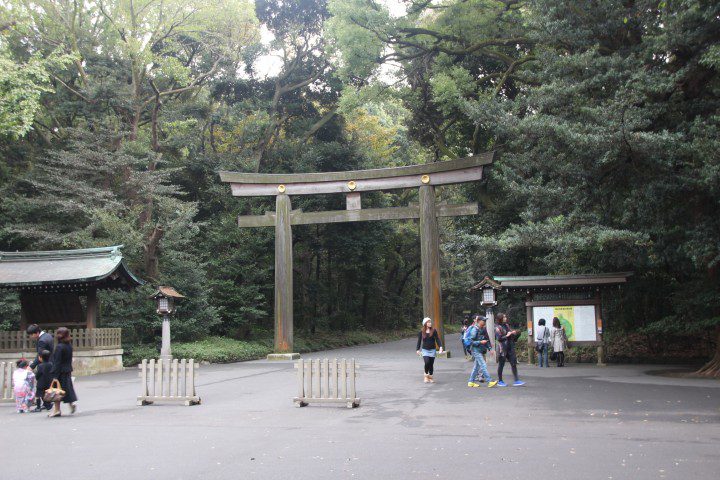
The Meiji Jingu Shrine sits surrounded by a massive, lush forest right next to the bustling Harajuku area. Officially, historical records show that the community dedicated the grounds to the deified spirits of Emperor Meiji and Empress Shoken. Stepping past the towering entrance gates feels like walking into a completely different world
Entering through the Forest and Torii Gates
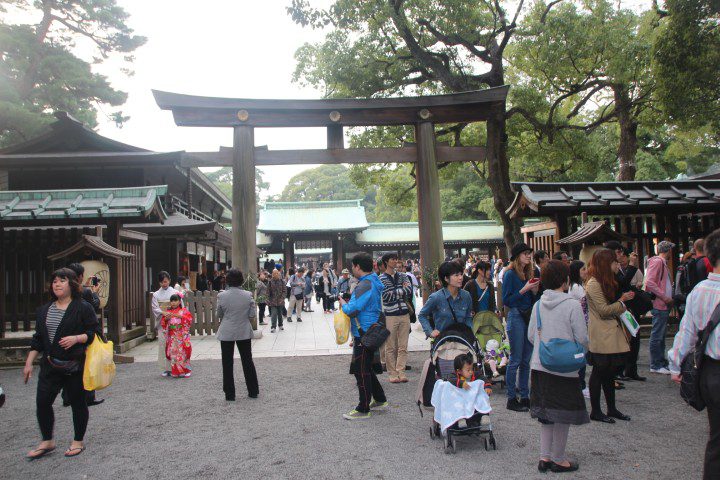
The journey begins the exact moment you leave the train station and head toward the shrine grounds. A massive, majestic wooden Torii gate marks the entrance. Artisans originally cut this grand structure from centuries-old cypress trees
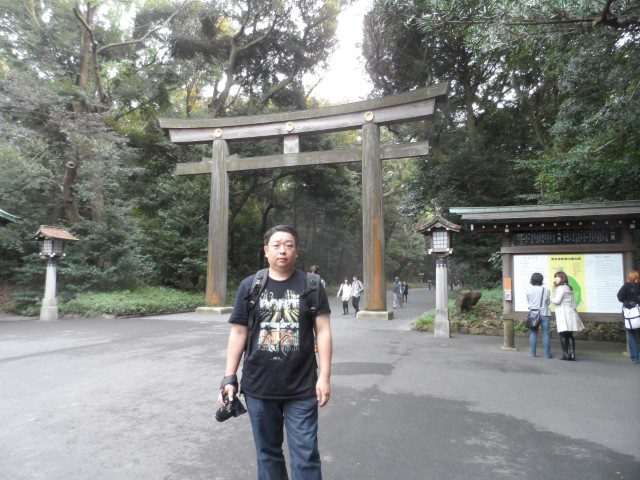
In Shinto tradition, passing under a Torii gate carries a deep meaning. It signals that you are leaving the secular world and entering a sacred space
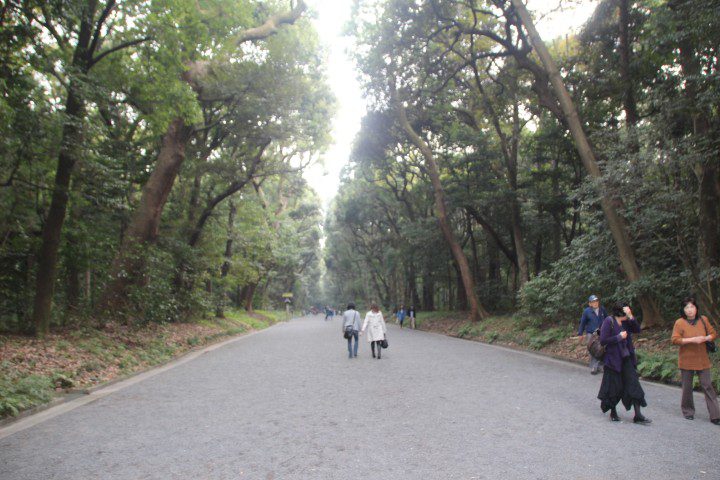
Once you step through, you will walk down a wide, peaceful gravel pathway. A dense canopy of over 100,000 trees shades the entire walk. Generous people actually donated these trees from all over Japan when crews built the shrine. Consequently, this man-made forest now feels perfectly wild, deep and ancient. While walking down this path, you only hear the crunching of gravel under your feet and the birds singing overhead
Exploring the Meiji Jingu Shrine Courtyard and Architecture
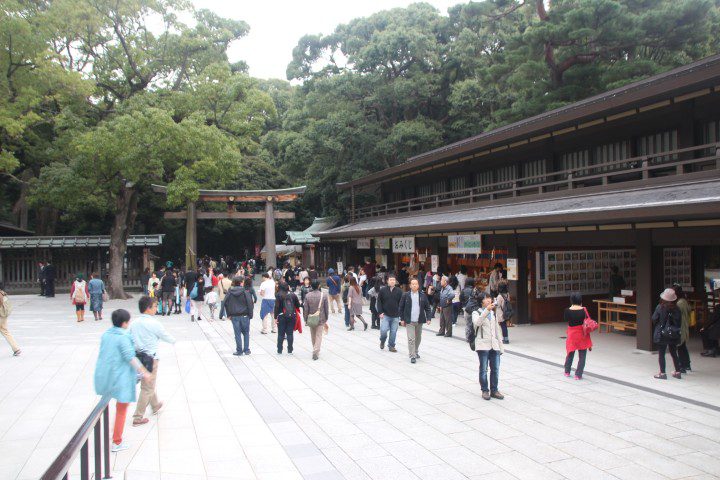
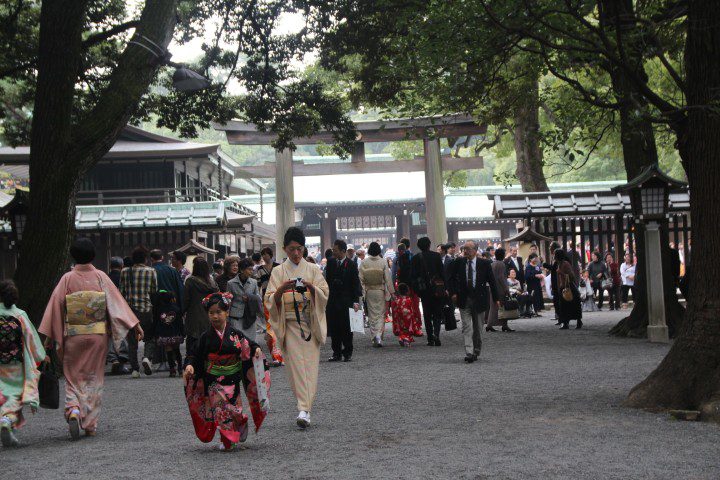
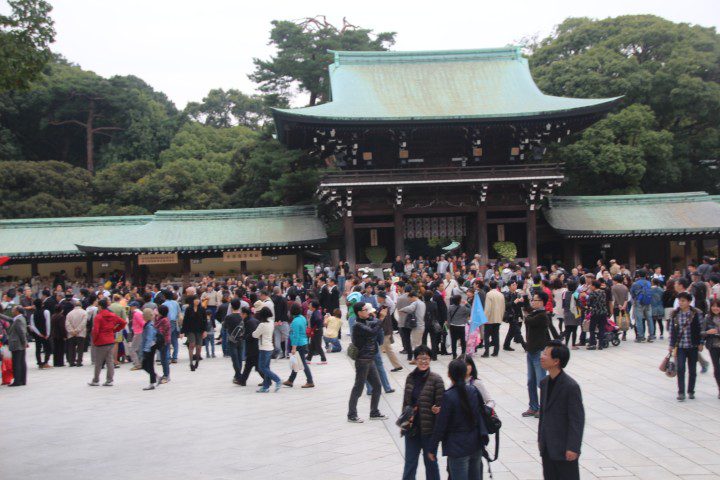
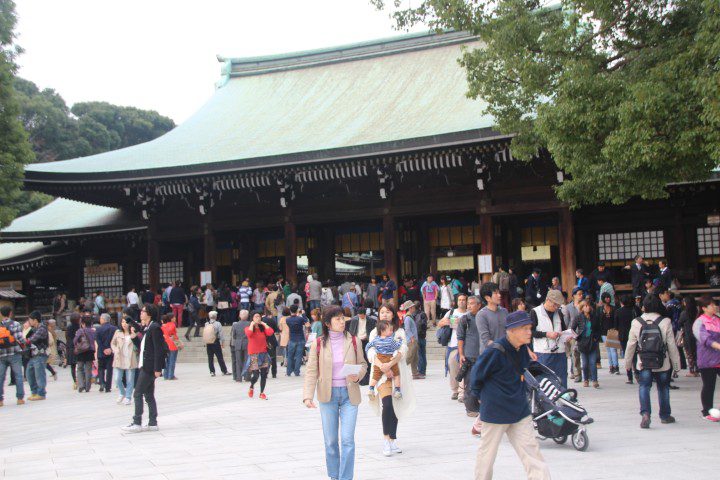
As you approach the heart of the complex, the dense forest suddenly opens up. Next, you step into a massive, pebble-strewn inner courtyard. The architecture here looks absolutely stunning
The Main Gatehouse (Romon)
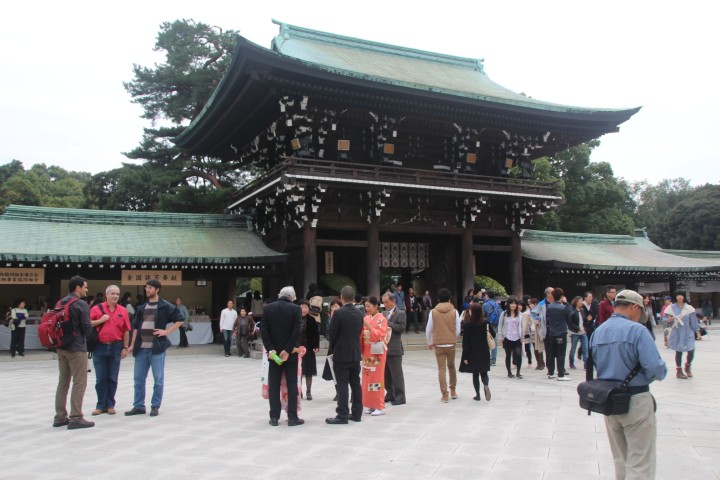
Builders constructed the halls primarily out of dark, unpainted Japanese cypress wood. Furthermore, they capped the roofs with distinctive green copper lines that blend beautifully with the surrounding nature
The Purification Fountain (Temizuya)
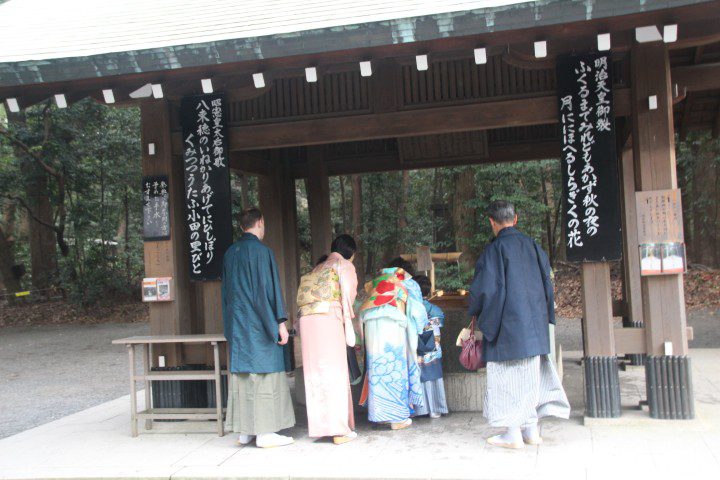
Before entering the main shrine courtyard, you will pass the Temizuya. This structure serves as a traditional water purification pavilion.
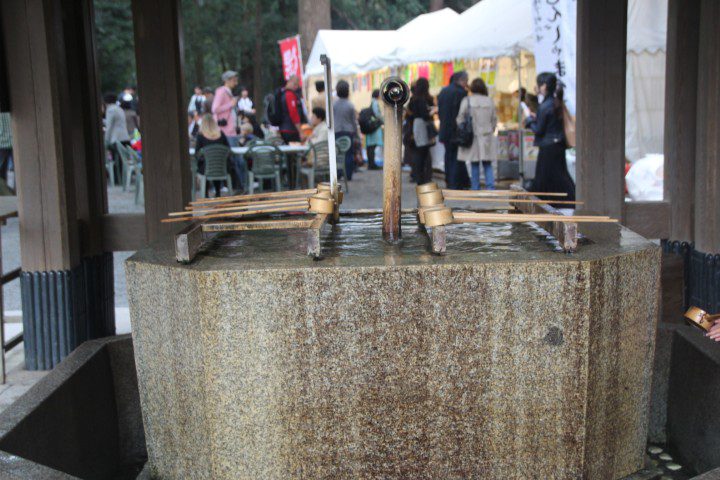
To follow local customs properly, you must use a long wooden ladle to rinse your left hand first. After that, rinse your right hand, and finally wash your mouth before stepping into the sacred inner grounds. It’s a beautiful, refreshing ritual meant to purify your mind and body
Sacred Trees & Ema Wishing Plaques
Inside the spacious main courtyard, your eyes will immediately find a pair of massive, perfectly manicured camphor trees. A sacred straw rope, known as a shimenawa, ties them together. Locals call them the “Husband and Wife Trees” because they symbolize a happy marriage and family harmony
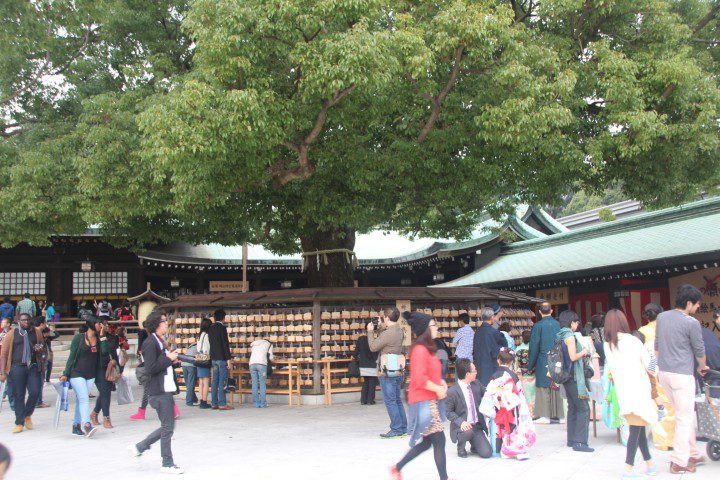
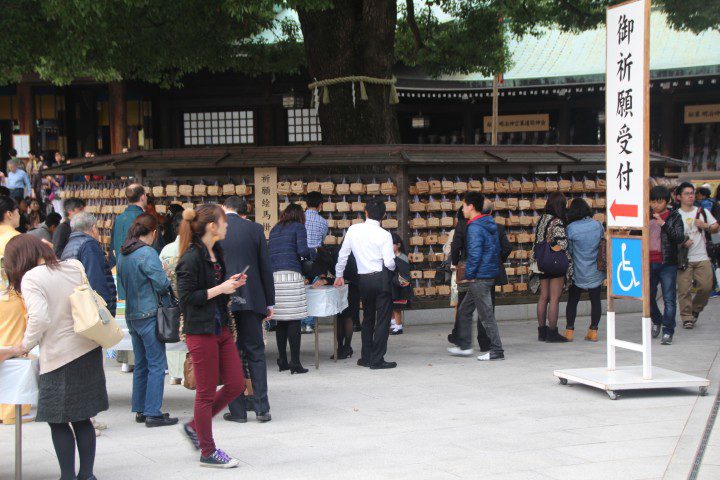
Right nearby, you will find a massive wooden display stand. It holds hundreds of Ema, which are small wooden prayer plaques. Visitors from all over the world write their personal wishes, hopes, and prayers on these tablets. Then, they hang them up for the spirits to receive
Buying Amulets at the Omamori Shop
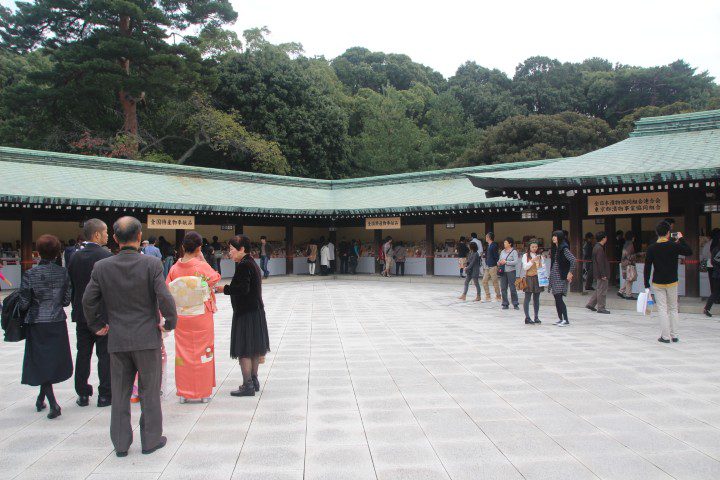
On the side of the courtyard, you can easily spot a large, beautifully designed open-air wooden counter. At this counter, the shrine staff sells authentic Omamori (Japanese protective amulets) and official Ema (wooden wishing plaques)
Experiencing a Traditional Shinto Wedding
If you time your visit right, you might witness one of the most breathtaking cultural sights at Meiji Jingu. The shrine regularly hosts traditional Shinto wedding processions, known as Taishin-den
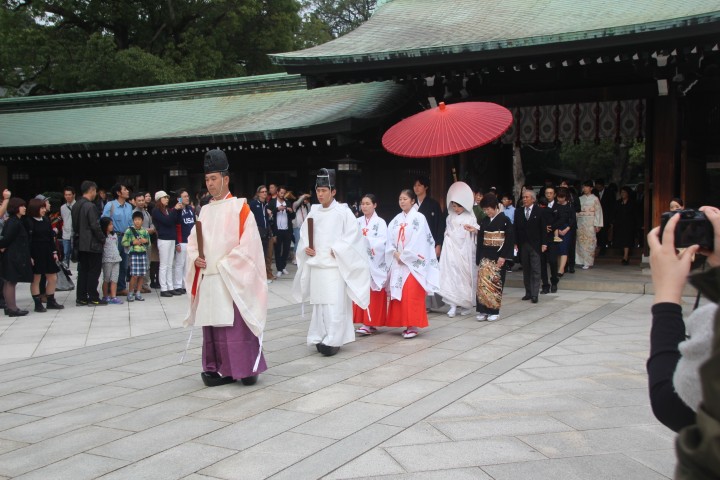
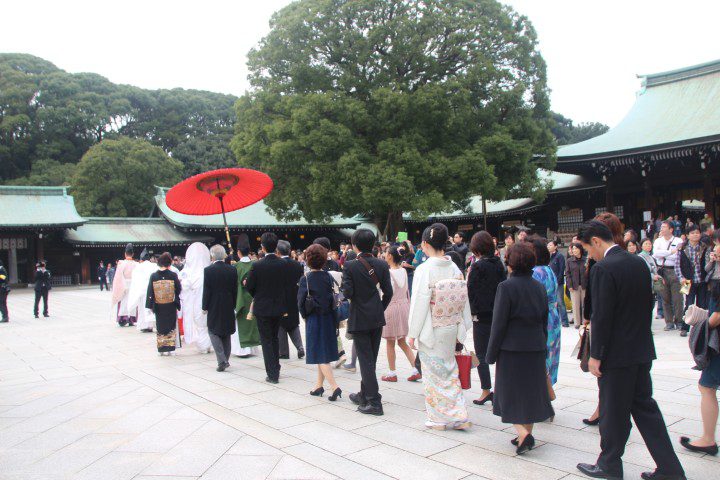
During my morning walk, the courtyard suddenly grew quiet. Next, a solemn procession began moving slowly across the stone grounds. Shinto priests and shrine maidens, called Miko led the way while wearing striking white and red robes. Meanwhile, the bride and groom walked together under a massive, vibrant red oiled-paper umbrella
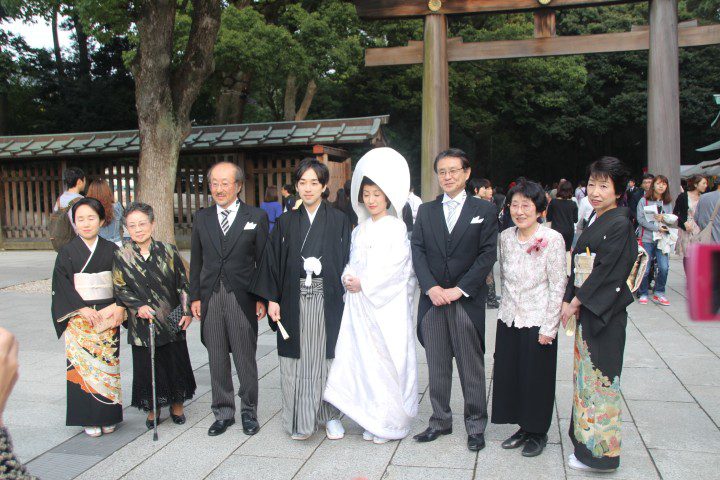
The bride wore a gorgeous, heavy white wedding kimono called a Shiromuku along with a traditional hood. Her family members followed closely behind while wearing elegant formal clothing. Honestly, watching this quiet, deeply respectful procession move through the historic wooden architecture was an absolute highlight of my trip
Practical Tips for Your Visit
Get there early
To experience the forest at its most magical and peaceful, try to arrive between 8.00 am and 9.30 am. By doing this, you will catch the morning sun filtering beautifully through the trees. Additionally, you will completely avoid the large tour groups
Wear comfortable shoes
The walk from the main outer gates to the inner shrine buildings takes about 10 to 15 minutes each way along flat, wide gravel paths. Leave the heels behind and wear supportive sneakers
Respect the boundaries
While photography is perfectly fine in the main courtyards and forest paths, remember that taking photos directly inside the inner prayer halls is strictly prohibited to maintain an atmosphere of worship
How to get there
The shrine is incredibly easy to reach by Tokyo’s rail network. Just take the JR Yamanote Line to Harajuku Station or the Tokyo Metro to Meiji-jingumae Station. The entrance is just a 2-minute walk from the station exits
Whether you are looking to experience traditional Japanese culture, witness a stunning Shinto ceremony or simply need a quiet break from the concrete jungle, Meiji Jingu Shrine is a must-visit sanctuary in Tokyo